Brunel’s Atmospheric Railway
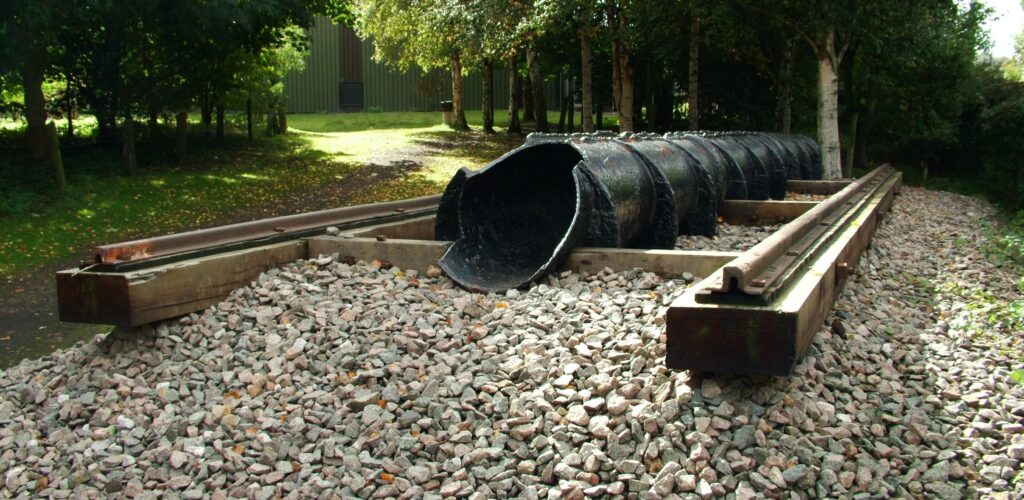
Source: File:Brunel’s Atmospheric Railway.jpg – Wikimedia Commons
A talk given by Colin White.
Brunel was not the first man to use an ‘Atmospheric’ system and that there had been previous versions successfully operated by the Dublin and Kingstown Railway (the Dalkey Line) in 1834 and in Paris – St Germain in 1837.
The system was designed and patented by the Samuda Brothers. The pipe was laid in 10 feet (3.0 m) sections between the 7 ft (2,134 mm) broad gauge rails with a continuous slot along the top that was sealed by a leather valve. The South Devon Railway Company approved Brunel’s design and obtained an Act of Parliament for the line in 1844.
The Atmospheric railway was particularly suitable for the local terrain which contained several steep inclines and sharp curves and enabled Brunel to ‘strike’ a route that would have been impossible with the steam locomotive technology of the day.
Construction started in 1845 and the first ‘Atmospheric’ engine began a passenger service in 1847. The highest speeds recorded were an average of 64 mph which was faster than the steam engines of the day could achieve.
Colin White described the various engine house locations along the line; there were 12 built in a decorative Italianate style with square chimneys and spaced at around 3 mile (4.8 km) intervals, and Colin White showed pictures of them both during the operation of the railway and of the locations today. Unfortunately, only three still survive in Starcross, Torquay and Totnes but the remains of two others in Dawlish and Turf can still be seen.
Rolls-Royce SMR secures contractual certainty to build Europe’s first SMR fleet
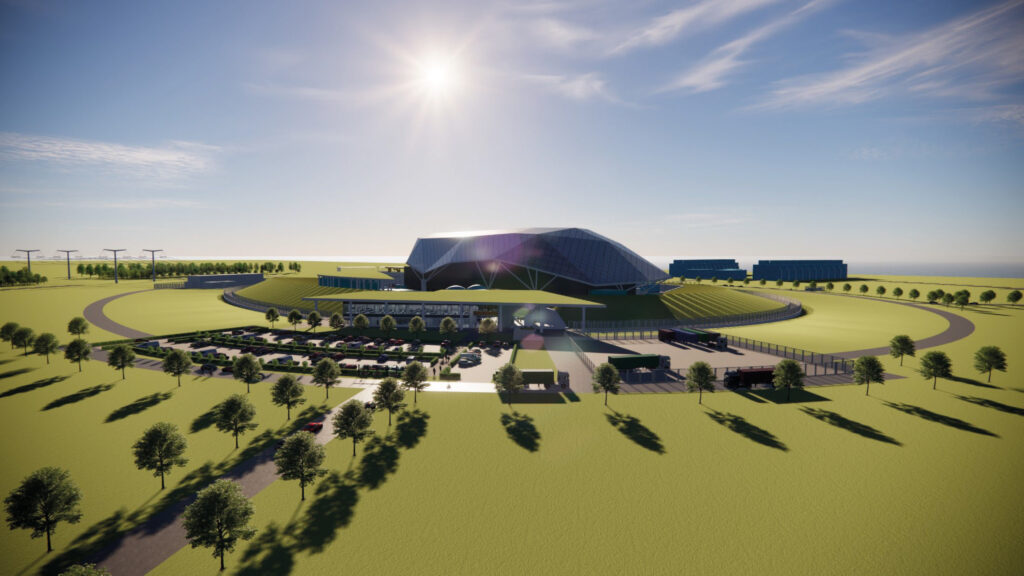
Rolls Royce SMR
13th April 2026
Great British Energy – Nuclear (GBE-N) and 13th have signed a contract to deliver the UK’s first three small modular reactors (SMRs) at Wylfa – an island off the coast of North Wales.
In November 2025, the UK Prime Minister, Sir Keir Starmer, announced that Wylfa will host the UK’s first SMRs. Today’s agreement allows work to start on site, through a firm contract allowing Rolls-Royce SMR to develop its site-specific design and order critical components from the supply chain. It also gives the certainty required to ramp up its recruitment programme in order to execute this work and successfully deliver the initial three units.
Chris Cholerton, Rolls-Royce SMR Chief Executive, said: “This contract unlocks the delivery of our first three units at Wylfa and is a tangible example of the Government’s ‘golden age’ of new nuclear being delivered successfully with British technology.”
“This brings certainty to the UK SMR programme and differentiates our business as the only SMR company with multiple commitments in Europe – an initial three units at Wylfa and up to six units in Czechia.”
“We are transforming the way nuclear projects are delivered, to give greater cost and schedule certainty with a standardised, factory-built approach. This project is important to the UK’s energy security and will power up our business and the UK supply chain.”
Rolls-Royce SMR and its supply chain partners will create 3,000 jobs local to the Wylfa site and an additional 5,000 jobs nationally – placing the UK at the forefront of this transformational opportunity.
Rolls-Royce SMR is transforming the way nuclear projects are delivered using proven nuclear technology, modularisation and a ‘factory-built’ approach – reducing delays and minimising the impact on local people and the environment. Each Rolls-Royce SMR power plant will generate enough stable low-carbon electricity to power a million homes for 60+ years.
A talk by Brian Fernley.
Brian explained the competition was begun in 1912 by Jaques Schnider, a French industrialist and aircraft enthusiast, who offered a trophy and prize of approximately £1,000 (about£150,000 today) to the fastest seaplane. It was intended to encourage technical advances in civil aviation but became a contest for pure speed with laps over a (usually) triangular course, initially 280 km) and later extended to 350 km.
The race was held twelve times between 1913 and 1931 (the year when it was won three times consecutively and thus permanently by the British). It was competed for by entries from France, Italy, the UK and the USA. Brian provided a fascinating account of the technical challenges and some wonderful clips of newsreels and films that added another dimension to the talk.
The race notably resulted in the development of the Supermarine Seaplane and the Rolls Royce R Series V12 engine that secured the Schneider Trophy and led eventually to the develoment of the Supermarine Spitfire and Rolls Royce Merlin engine.
A detailed account of the Schneider trophy story can be found here https://www.supermarineseaplane.co.uk/the-schneider-story
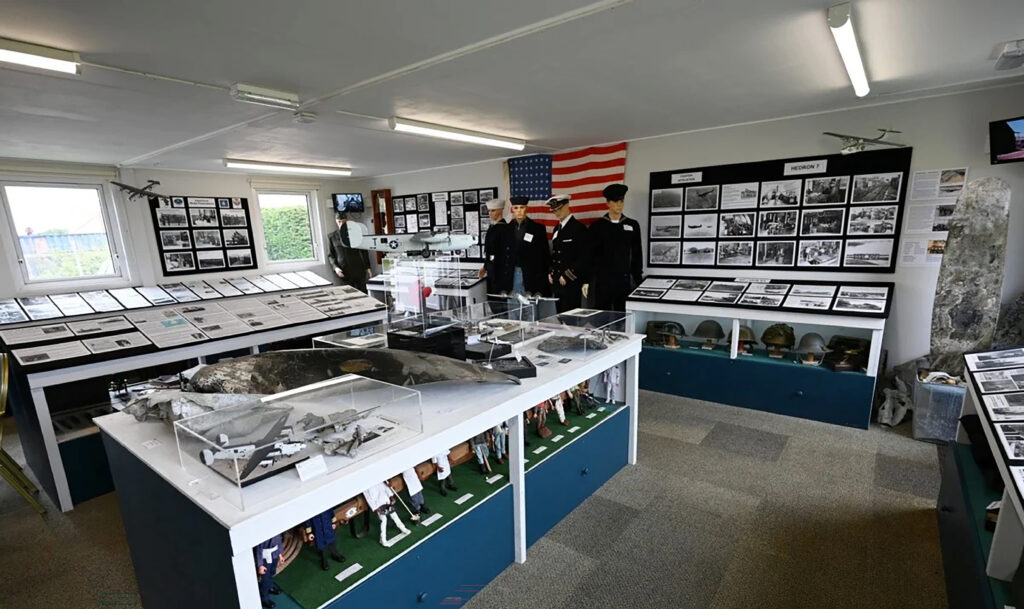
Dunkeswell Heritage Centre
The South West Airfields Heritage Trust, is a Devon based educational charity whose purpose is to inform the public of the local aviation heritage. They do this in a number of ways, most visibly they have two heritage centres, one at Dunkeswell the other at Smeatharpe. These are open to the public from Easter until the end of October.
Presentations, given on behalf of The South West Airfields Heritage Trust
The Amazing Mr Cotton
The Battle of Britain Outside London
Hunting the Hunter
Destination Utah
Jumping Joe Beyrle
The Schneider Trophy Races
For more information, visit the South West Airfields Heritage Trust.

Our speaker at our annual Christmas lunch was Emma Laws, Exeter Cathedral Librarian and freelance rare books and special collections curator. Emma took us on a journey through 975 years of history from the foundation of the Cathedral under Bishop Leofric in 1050 to the opening this year of the brand new Friends Cloister Gallery and Treasures Exhibition.
The Exhibition brings together, for the first time on public display, an impressive roll call of nationally and internationally significant artefacts: the oldest book of English literature in the world; the oldest part of the country’s oldest public record; the oldest surviving foundation charter of any secular English cathedral; the only surviving complete medieval wax votive figure in Europe – and, probably, the country’s oldest surviving wood carving of an elephant.
The Exhibition also features the Fortescue Hours – a lavish illuminated book of hours made for Sir John Fortescue (ca. 1394-1479), Chief Justice of England from 1442 to 1460 and author of an important book of English law, De laudibus legume Angliae. The manuscript is on loan from the Fortescue family, which settled in Devon over 900 years ago.
The Cathedral’s website includes information on visiting Exeter Cathedral and the Treasures Exhibition: https://www.exeter-cathedral.org.uk/plan-your-visit/treasures-exhibition/.
Subscribe to the Cathedral’s weekly newsletter, Cathedral Life, to find out more about the collections of the Library and Archives and forthcoming events: https://www.exeter-cathedral.org.uk/newsletter-signup/.
Follow Exeter Cathedral on Facebook, Instagram, TikTok and LinkedIn.


On 7th December 2025 we all enjoyed a pre-Christmas lunch after seeing a fascinating presentation of ‘The Treasures of Exeter Cathedral’ presented by Emma Laws. Many thanks to Robbie Sillars for the photos.
The last working water-powered forge in England. Curated by the National Trust


Many thanks to Robbie Sillars for organizing this trip.
VIDEO: Hinkley Point C boss gives ‘insider tour’ as huge nuclear plant takes shape
You might like to view this recent YouTube video of construction progress at Hinckley.
A thank you to Geoff Pettinger for contributing this link.
Photograph removed.
A 245-tonne dome has been lifted onto a reactor building at the first nuclear plant to be built in Britain for 30 years.
EDF Energy said twin nuclear reactors at Hinkley Point C in Somerset would provide zero-carbon electricity for more than six million homes in Britain when the site opened.
The second dome was installed earlier using a “build and repeat” method, using off-site prefabrication and experience from installing the first dome on the first reactor.
The site is projected to open in 2031, according to EDF, which is five years later than originally planned.
For more info see these articles:-
https://www.bbc.co.uk/news/articles/c4g8yn07y10o
https://interestingengineering.com/energy/construction-crane-lifts-dome-uk-reactor
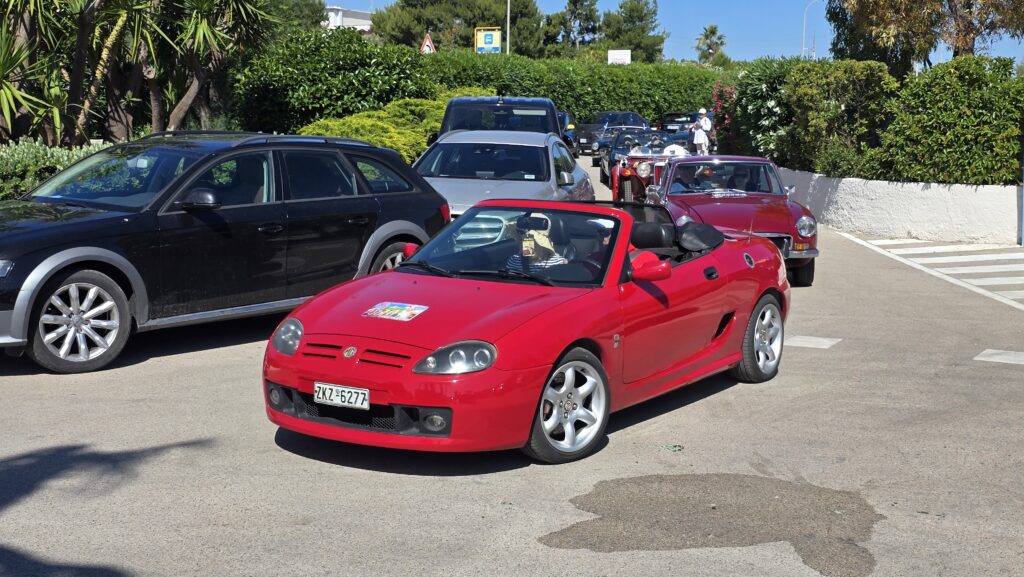
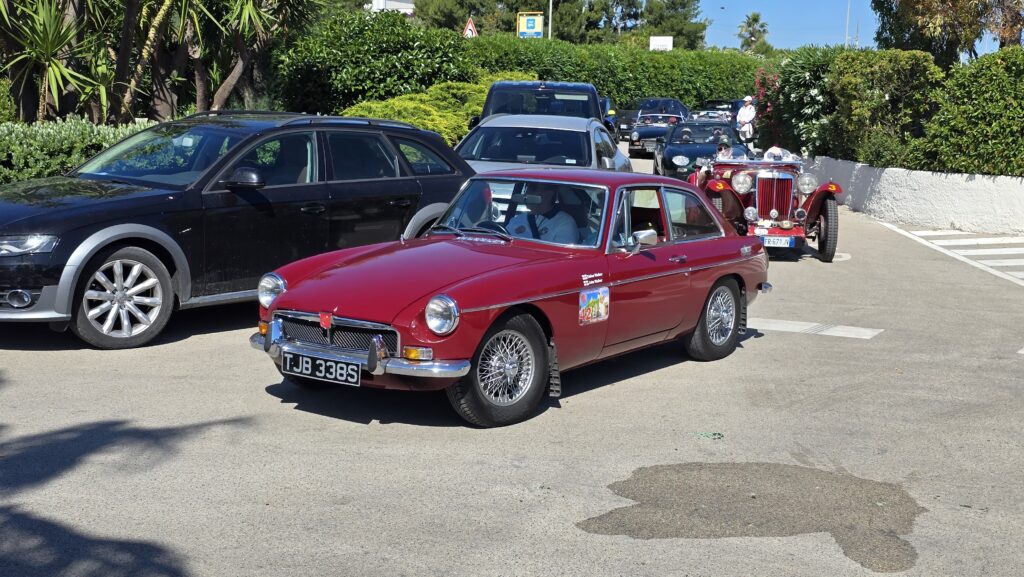
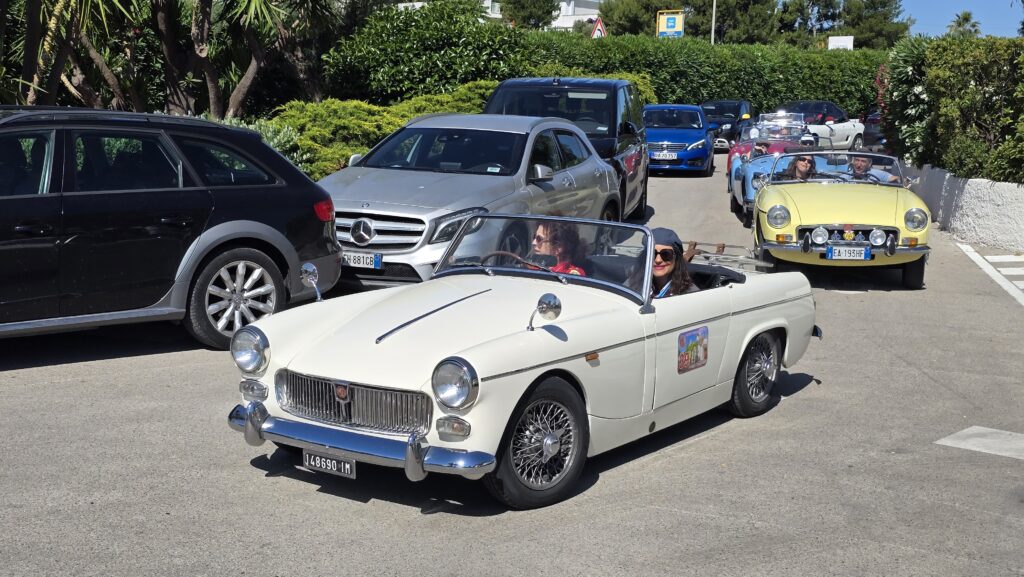
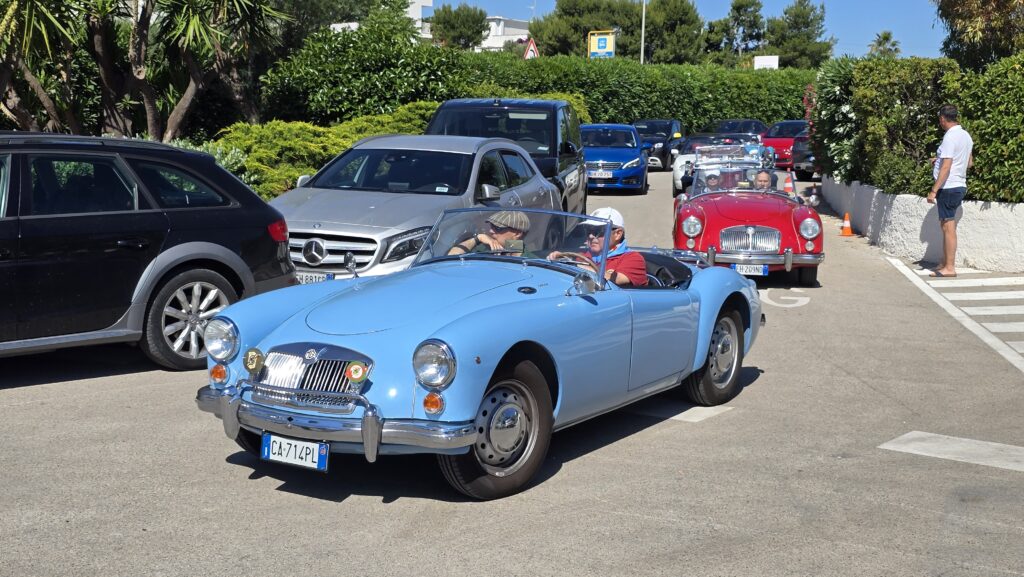
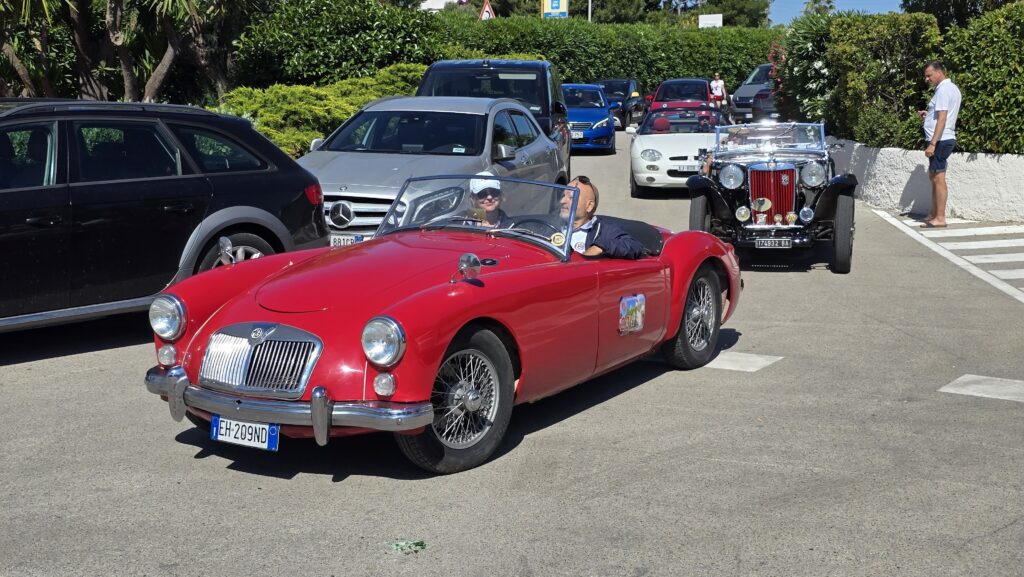
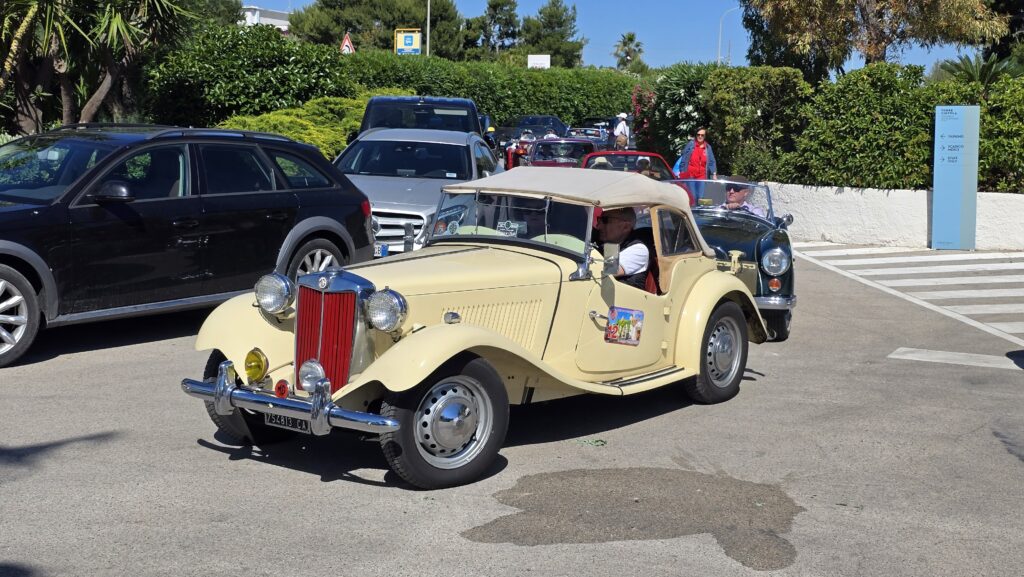
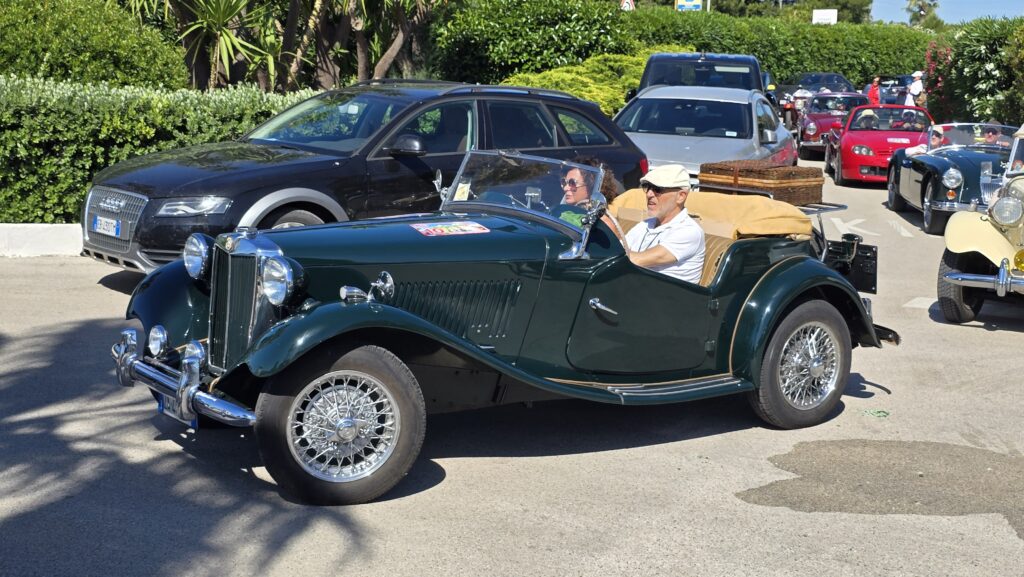
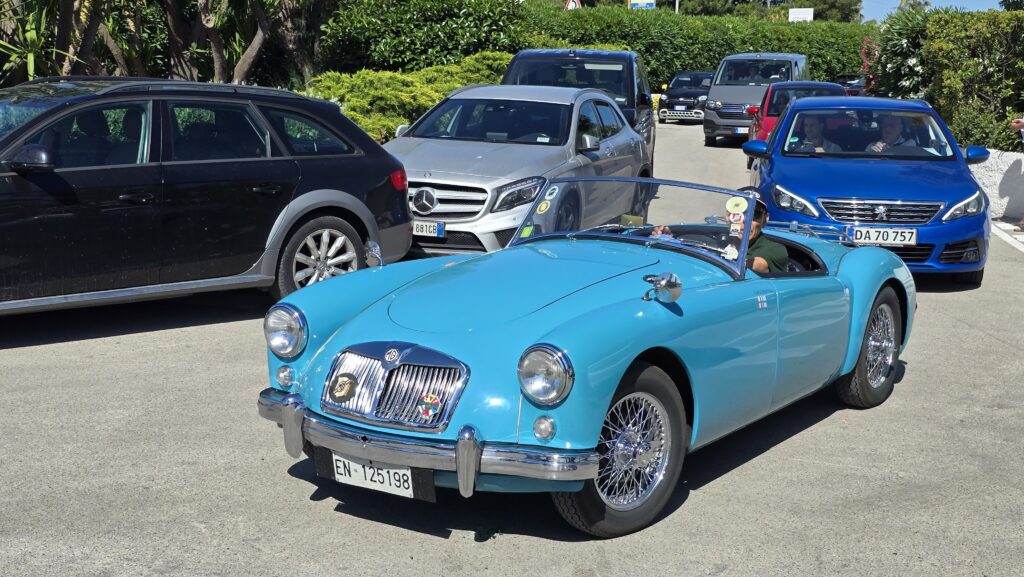
If you like cars. you should find this interesting.
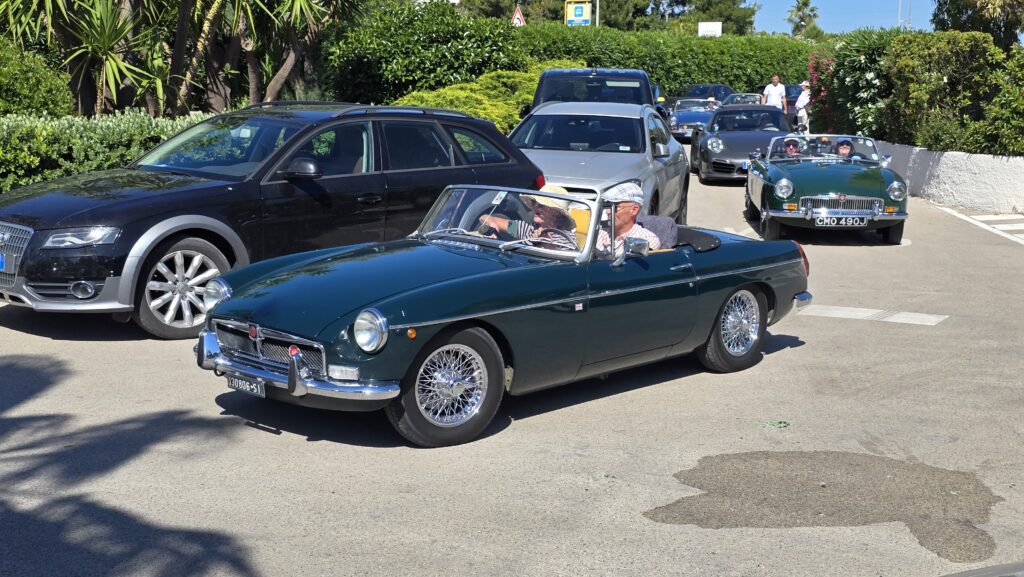
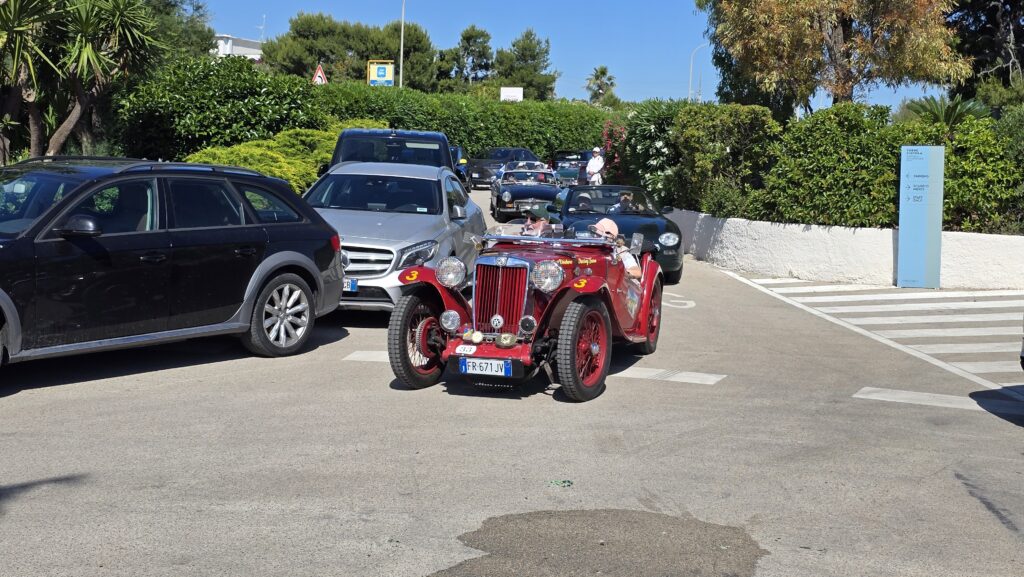
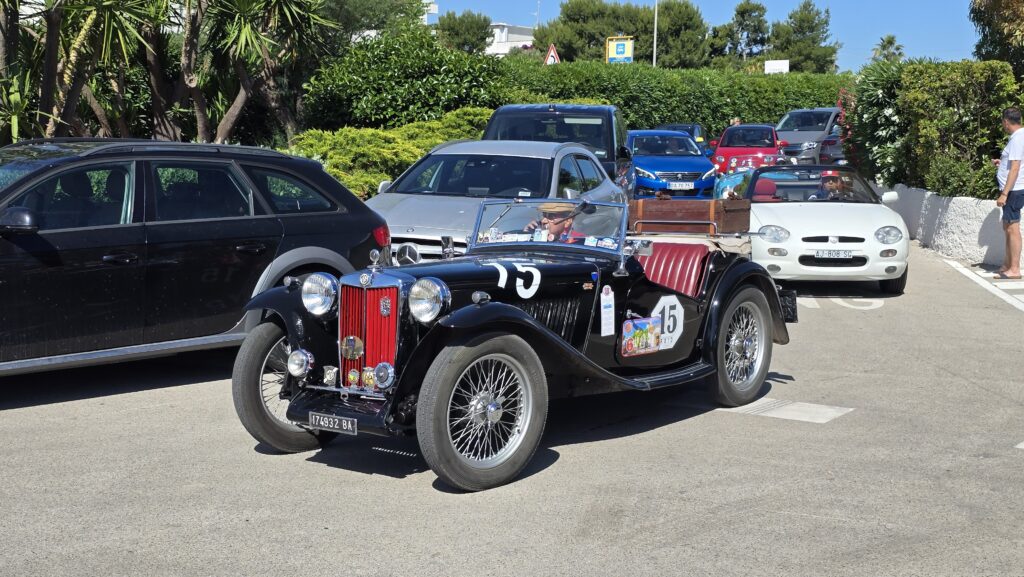
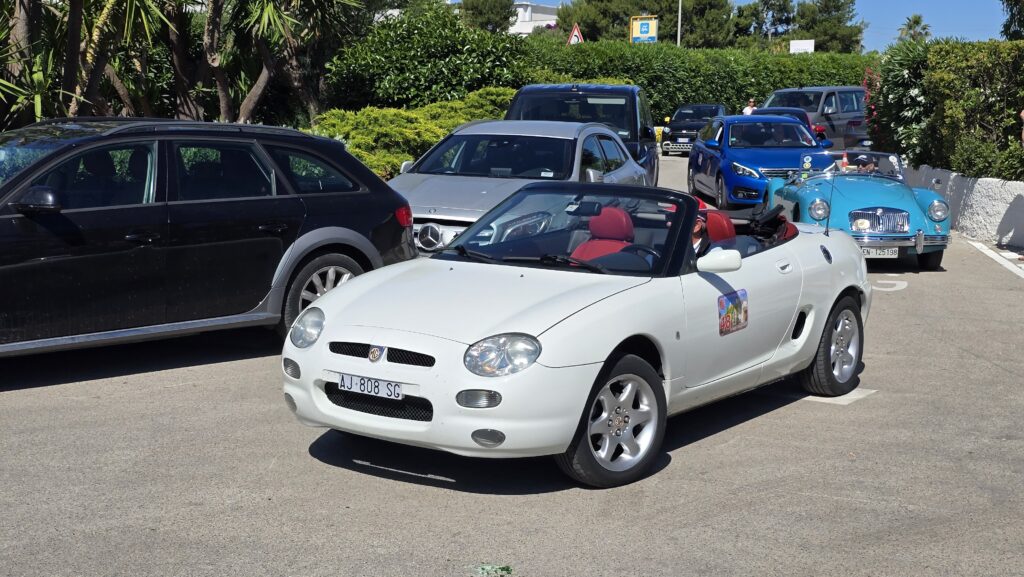
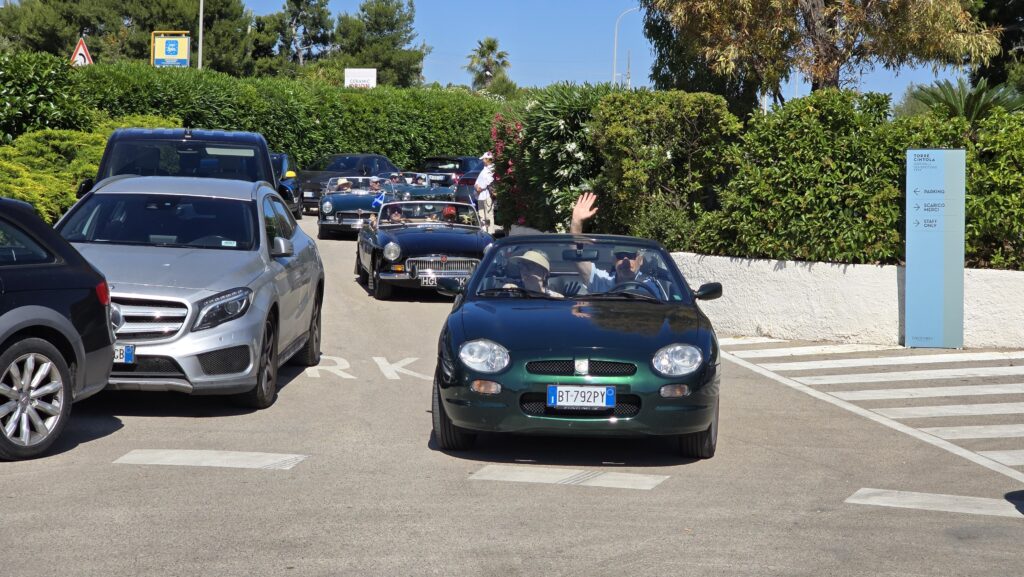
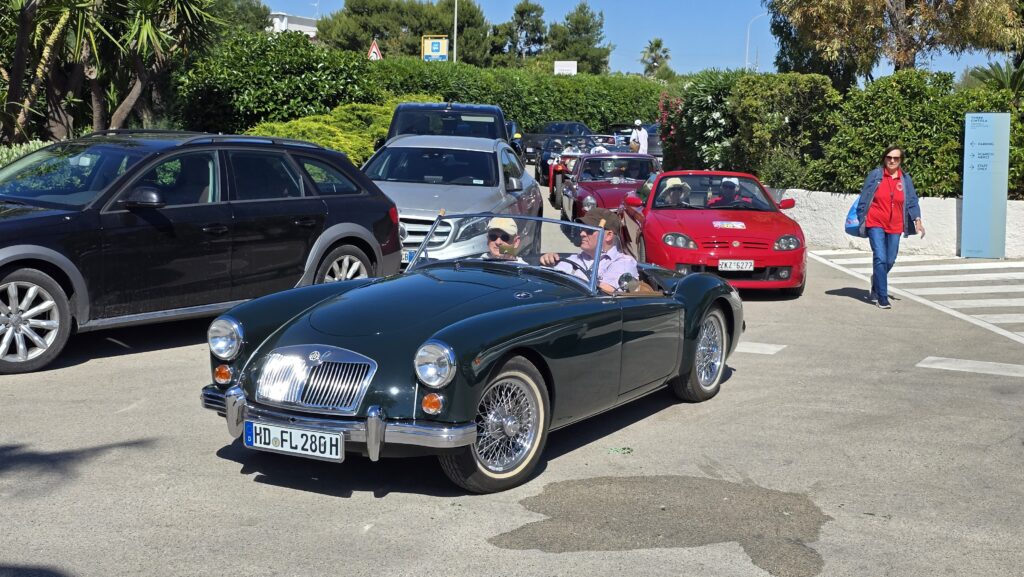
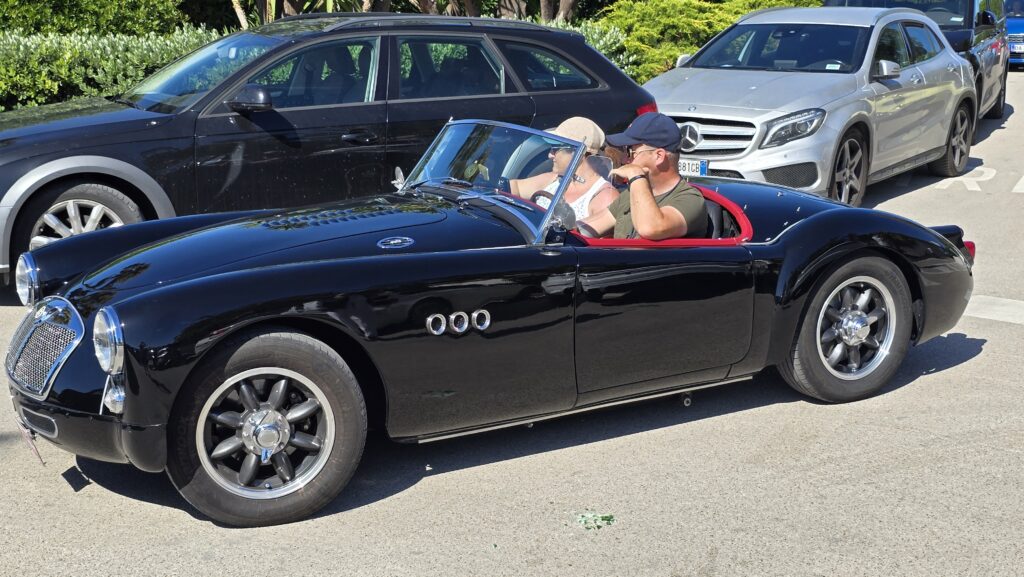
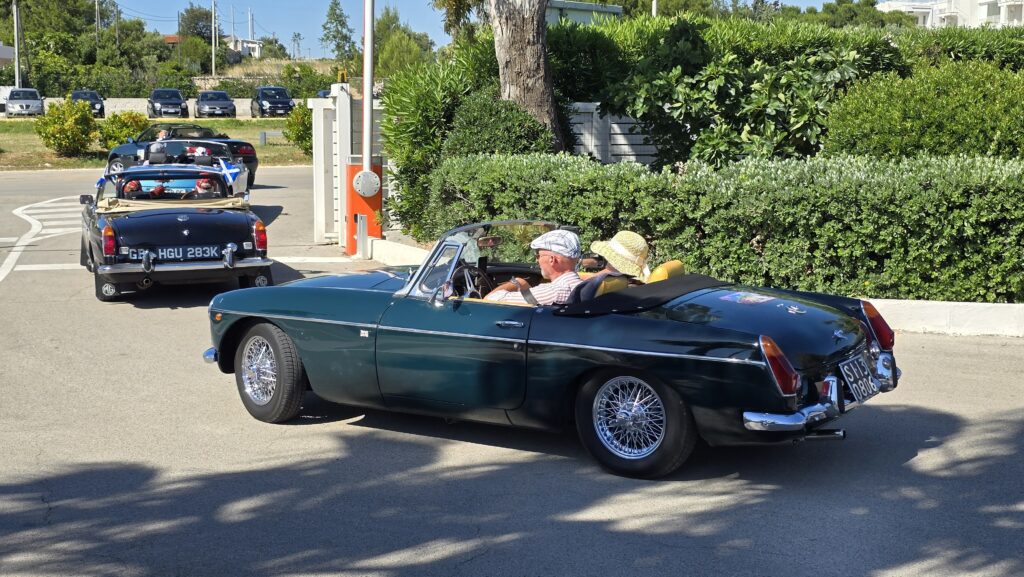
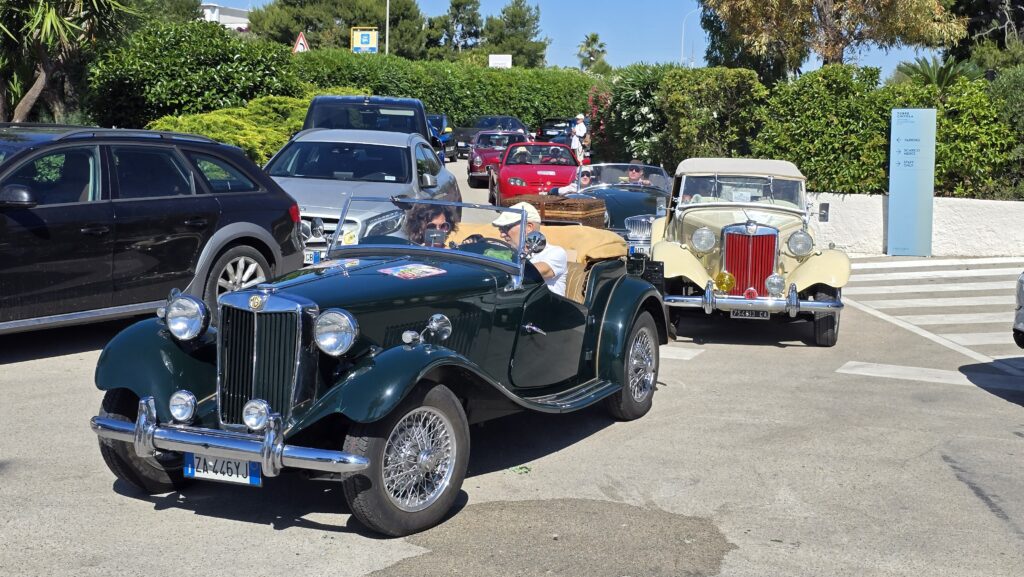
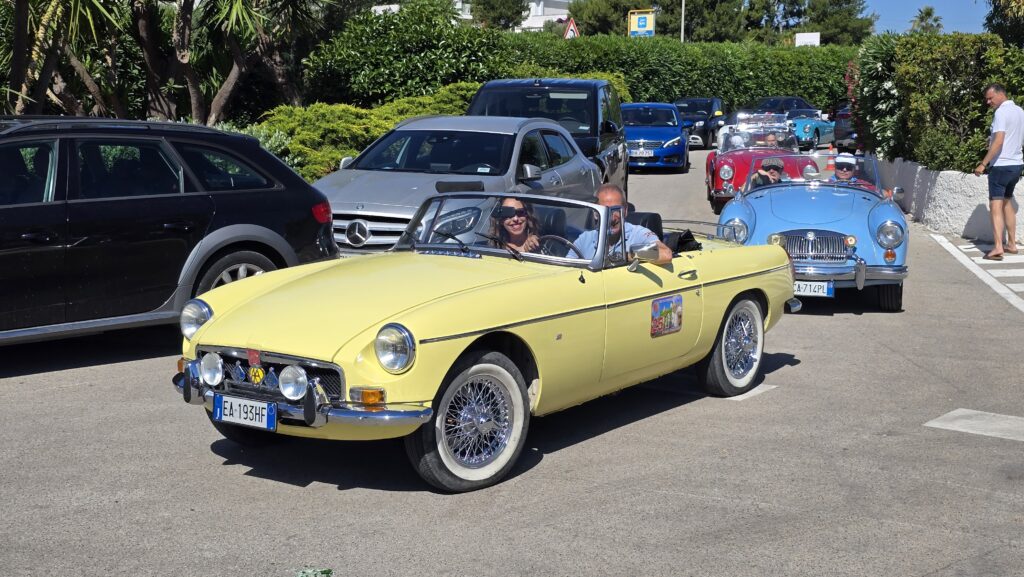
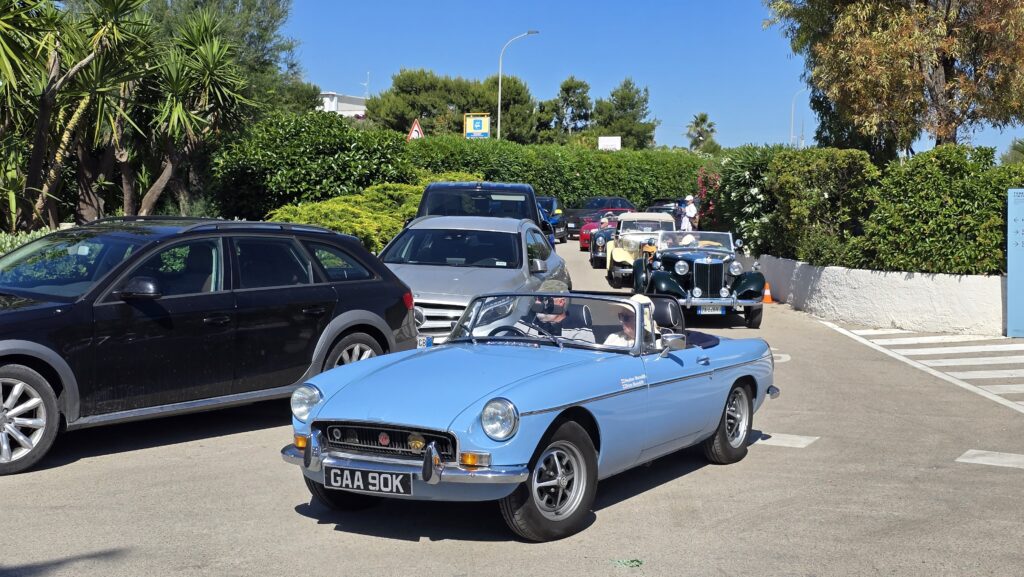
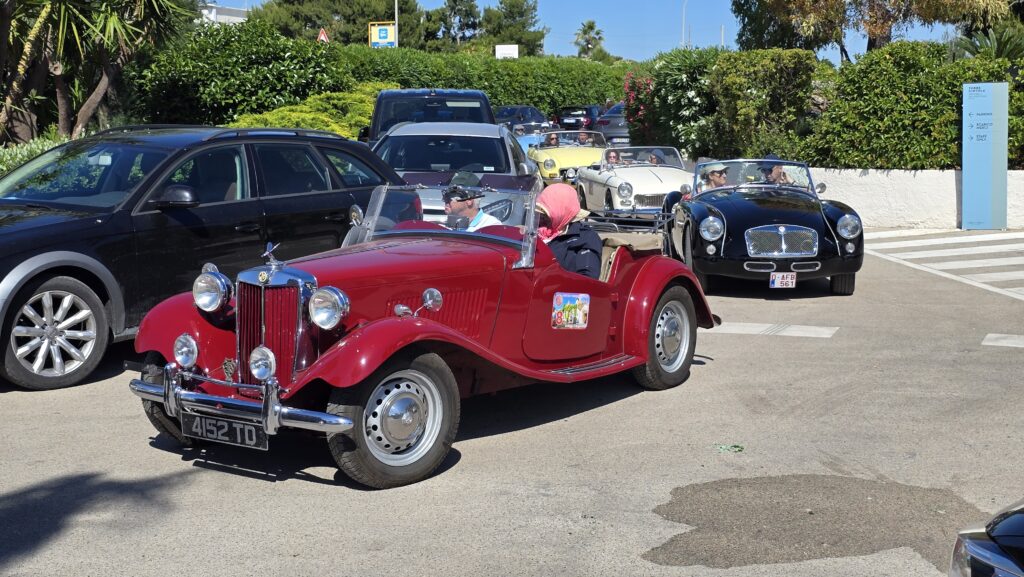
At the end of May I was staying at a hotel in southern Italy, when, on the final Saturday 50 cars turned up. They were very well cared for classic cars, most of them being MGs and a couple bearing UK plates. On the Sunday morning they set off on the first leg of the Rally Through The Treasures of Puglia that continued for 8 days. I managed to get photos of around 20 of the cars as they left, and here they are:-